Kitchen Garden Initiative

The Kitchen Garden Revolution: Growing Hope, One Balcony at a Time | MushilaWrites

The Kitchen Garden Revolution: Growing Hope, One Balcony at a Time

As global temperatures rise and food insecurity deepens, small spaces are becoming powerful agents of change. Across Africa, families are rediscovering the beauty of self-sufficiency through kitchen gardens — transforming balconies, verandas, and backyards into green sanctuaries of resilience, nourishment, and hope.

Kitchen Garden Initiative by MushilaWrites

🌍 A Story Rooted in Hope

In a small village in Makueni, Veronicah stood on her veranda one dawn, looking at an old jerrycan filled with red soil. She’d planted spinach seeds a few days earlier — her first attempt at growing food for her children. The city was waking up around her, but her eyes were fixed on those tiny shoots breaking through the soil. “This,” she whispered, “is hope sprouting.”

Veronicah’s story is no longer unique. Across Africa, hundreds of families are turning small corners of balconies, verandas, and backyards into thriving gardens. From the rooftops of Nairobi’s Eastlands to the rural homesteads of Machakos, a quiet revolution is taking root — one pot at a time.

“The greatest threat to our planet is the belief that someone else will save it.” — Robert Swan

🌱 What Is the Kitchen Garden Initiative?

The Kitchen Garden Initiative by MushilaWrites.com is a storytelling-driven environmental campaign encouraging families, youth, and women to grow their own food using recycled containers and organic compost. It’s about feeding families sustainably, reducing waste, and reconnecting with nature.

According to the Food and Agriculture Organization (FAO), home gardens can provide up to 60% of a household’s vegetable needs, enhancing nutrition and food security for low-income families. In Kenya, research by the Kenya Agricultural and Livestock Research Organization (KALRO) found that 48% of households with kitchen gardens stopped buying vegetables entirely — turning self-reliance into a new way of life.

🌾 Stories that Inspire Change

1. The Balcony Farmer – Nairobi
For Peter, a boda boda rider in Nairobi’s Kayole estate, the pandemic lockdown meant no daily fares — but his kitchen garden saved him. Using old tyres and jugs, he planted sukuma wiki, onions, and tomatoes on his balcony. “It became therapy,” he says, smiling. “Now my children eat fresh food, and I save at least KSh 1,500 monthly.”

2. The Veranda of Life – Eldoret
In Eldoret, Grace, a young mother of three, turned her small veranda into a hanging garden of spinach, coriander, and carrots. Neighbours began visiting to learn, and within weeks, three more households followed suit. “We’ve created a sisterhood of growers,” she says proudly. “Our hands smell of soil, but our hearts bloom with purpose.”

3. The Community of Green Hands – Machakos
In Kakamega, a group of ten women formed the Green Hands Initiative after a MushilaWrites storytelling workshop. Together, they cultivate vegetables and herbs, selling the surplus at local markets. Their income supports school fees and health needs, and their message echoes beyond: “Our garden is small, but our impact is growing.”

“We don’t inherit the Earth from our ancestors; we borrow it from our children.” — Native American Proverb

From Balconies to Backyard Forests: A Movement of Hope

What began as a small community idea has blossomed into a continent-wide movement. The Kitchen Garden Initiative, spearheaded by MushilaWrites, invites every household to take environmental action right where they live. Whether you have a veranda, rooftop, or small compound, you can grow your own vegetables, herbs, and fruits — and in doing so, contribute to a healthier planet.

“The greatest threat to our planet is the belief that someone else will save it.” — Robert Swan, Polar Explorer and Environmentalist

Why Kitchen Gardens Matter

According to the Food and Agriculture Organization (FAO), small kitchen gardens can supply up to 60% of a household’s daily vegetable needs, improving nutrition and reducing food expenses. In Kenya, research by the Kenya Agricultural and Livestock Research Organization (KALRO) found that 48% of households with kitchen gardens stopped needing to buy vegetables entirely — a significant boost for food security and local resilience.

Environmental and Social Benefits

  • Reduces Carbon Footprint: Locally grown food cuts transportation emissions.
  • Enhances Food Security: Ensures access to fresh produce in low-income communities.
  • Empowers Women and Youth: Creates micro-business opportunities and training prospects.
  • Improves Mental Health: Gardening connects people with nature and reduces stress.
  • Restores Biodiversity: Supports pollinators and local ecosystems.

SWOT Analysis of the Kitchen Garden Initiative

StrengthsWeaknesses
Low-cost and scalable for any home size.Requires consistent watering and sunlight access.
OpportunitiesThreats
Can attract youth and women empowerment funding programs from UNEP, FAO, and Laudato Si’ Movement.Climate variability and lack of awareness may limit adoption.

Funding and Collaboration Opportunities

The Kitchen Garden Initiative aligns with global and regional frameworks such as the UN Sustainable Development Goals (SDGs) — particularly SDG 1 (No Poverty), SDG 2 (Zero Hunger), SDG 5 (Gender Equality), SDG 7 (Affordable and Clean Energy), SDG 13 (Climate Action), and SDG 15 (Life on Land).

You can explore partnerships and grants through:

How You Can Start Today

You don’t need acres of land — just a few containers, compost, and seeds. Begin with spinach, kale, tomatoes, or herbs. Use recycled materials like old buckets or bottles. With time, your balcony can become a thriving ecosystem — feeding your family and restoring hope for the planet.

“To care for our common home is an act of love — for the Earth and for one another.”
— Pope Francis, Laudato Si’

Related Posts

© 2025 MushilaWrites | Environmental Storytelling for Change

Empowering Women and Youth Through Eco-Briquettes in Africa

Turning Waste into Worth — Empowering Women and Youth Through Eco-Briquettes | MushilaWrites.com

🌿 Turning Waste into Worth

By Mushila Victor Isaacs
Author of Whispers of Nature – 100 Poems on Climate and Environment

Where Change Begins

In the heart of Africa’s low-income communities, hope often germinates from the soil of necessity. Beneath the cries for better livelihoods and the smoke of dwindling forests lies a story waiting to be rewritten — a story of empowered women, inspired youth, and communities redefining sustainability.

At MushilaWrites.com, we believe that storytelling and action go hand in hand. Through projects like the Eco-Briquette Training and Production Hubs and Kitchen Garden Initiative, we are transforming waste into opportunity while restoring dignity and healing the planet.

This initiative aligns with the United Nations Sustainable Development Goals (SDGs) — particularly SDG 1 (No Poverty), SDG 5 (Gender Equality), SDG 7 (Affordable and Clean Energy), SDG 13 (Climate Action), and SDG 15 (Life on Land).

Studies by the United Nations Environment Programme (UNEP) and the World Bank show that transitioning from charcoal to eco-briquettes can reduce indoor air pollution by up to 70% and save approximately 10–12 trees per ton of briquettes produced. Similarly, the Food and Agriculture Organization (FAO) highlights that briquette technology can reduce rural energy poverty while promoting sustainable livelihoods.

Eco-briquette demonstration Food and Agriculture Organization (FAO) highlights that briquette technology can reduce rural energy poverty while promoting sustainable livelihoods.

What Are Eco-Briquettes — and Why They Matter

Eco-briquettes are compressed blocks of organic waste — rice husks, maize cobs, sawdust, coffee husks, and sugarcane bagasse — turned into clean-burning, smoke-free fuel. They replace charcoal and firewood, repurposing agricultural waste while reducing methane emissions.

  • Reduce deforestation
  • Lower household air pollution
  • Create sustainable income streams
  • Mitigate climate change

“So let us gather in the tree’s vast shade,
To honor the legacy creation made.
For the last standing tree, in its silent stand,
Is a testament to life, and the soul of the land.”

“Let’s plant new seeds, let’s water with care,
Let’s grow a new forest, just and fair.
For in the last standing tree, there’s a dream to weave—
Of a world reborn, for all to believe.”

~ The Last Standing Tree Poem.

The Project Concept: Turning Waste into Worth

  • Project Title: Turning Waste into Worth — Empowering Women and Youth Through Eco-Briquettes
  • Location: Bungoma, Kakamega, Machakos, Makueni, and Nairobi informal settlements (Pilot Phase)
  • Duration: 6 months (expandable to 24 months)
  • Beneficiaries: 10 women and youth directly; ~500 households indirectly
  • Partners: Mushila Writes Environmental Initiative, UNEP, and Laudato Si’ Movement

Project Overview

The Eco-Briquette Training and Production Hub empowers women and youth to convert agricultural waste into clean energy — creating green entrepreneurs while promoting sustainability.

Key Components:

  1. Training and Capacity Building
  2. Production and Distribution
  3. Entrepreneurship and Marketing
  4. Community Awareness through storytelling

🌾 Practical Training: Teaching 10 Women and Youth

In Kakamega, ten locals gather under a mugumo tree, learning to turn maize husks into clean energy. Through workshops, participants gain skills to produce and sell eco-briquettes — earning from sustainability and healing their environment.

Environmental and Social Impact

Impact AreaExpected Outcome
Deforestation Reduction1 ton of briquettes saves 12 trees annually.
Air Pollution ReductionIndoor smoke reduced by 60–70%.
Income Generation$50–$120/month per participant.
Waste Management2+ tons of waste repurposed monthly.
Community Awareness500+ people reached through outreach.

SWOT Analysis

StrengthsWeaknesses
Locally available materials; strong community support.High initial equipment cost.
Inclusive women/youth model.Limited awareness of technology.
OpportunitiesThreats
Partnerships with UNEP, Laudato Si’, local governments.Market competition from charcoal/LPG.
Expansion to schools and institutions.Climate extremes affecting raw supply.

💰 Project Budget (6-Month Pilot)

ItemDescriptionCost (USD)
Training MaterialsBriquette molds, protective gear800
Training WorkshopVenue, facilitation, meals600
EquipmentManual presses, drying racks1,200
Awareness CampaignFlyers, videos, social media500
Seed CapitalStarter kits for trainees1,000
Monitoring & EvaluationField visits and data tracking400
Admin & LogisticsCoordination and communication500
Total$5,500

Funding and Partnership Opportunities

🧩 Storytelling & Community Engagement

Storytelling is our bridge between action and awareness. Explore related stories:

Be Part of the Movement

Join us in turning waste into worth, despair into dignity, and forests of tomorrow into legacies of today.

Partner or Donate Today

“Let’s plant new seeds, let’s water with care,
Let’s grow a new forest, just and fair.”
— The Last Standing Tree, Mushila Victor Isaacs

Tinka : The Luminary

A Legacy That Rests But Never Dies | Mushila Victor Isaacs

A Legacy That Rests But Never Dies

By Mushila Victor Isaacs

“To everything there is a season, a time to plant and a time to uproot.” — Ecclesiastes 3:2

The savanna, where the song of Hakuna matata — meaning “no problem” — stretched endlessly, shimmered like a golden sea where the whispers of the wind carried stories of ancestors, rulers, and dreamers. In its heart stood two colossal trees, proud and parallel, their shadows running side by side but never crossing.

They were not mere trees. They were living chronicles — guardians of time, mirrors of men, and witnesses to generations that rose and fell beneath their shade.

One was known as Kifaru, the strategist of the winds. He was eighty-one seasons old — towering, thick-barked, his roots coiled deep into the earth like veins of ambition. Around him, silence was not peace but fear. His branches, heavy with military authority, often shaded others from light. The birds that once nested there had long flown away seeking freer skies, if not shackled into guarded cages.

The other was Tinka, eighty seasons old — elegant yet firm, with leaves that shimmered like hope in the morning light. The beings called him the Beloved Tree, for he stood not above but among them. His branches stretched wide to shelter all who came — the weary traveler, the singing birds, even those who once spoke against him.

They stood parallel — close enough to share the same sky, yet worlds apart in spirit. In their early years, both trees grew under the same sun, drinking from the same rain. But when storms came, their choices defined them.

Kifaru learned to bend others so he wouldn’t have to bend himself. His strength became his pride, and his pride became his blindness. He whispered to the winds of strategy, power, and permanence.

Tinka, on the other hand, learned from the storm’s music. When lightning struck his side, he healed not through anger but through patience. His resilience drew songs from the birds and reverence from the creatures of the plains. He believed that even in brokenness, beauty could be reborn.

And so it was — one ruled through fear, the other through faith. One built fences, the other built bridges. Years turned into decades. Seasons painted their bark with wrinkles of wisdom. The savanna grew silent, listening to the rivalry of the parallel giants.

Continue reading “Tinka : The Luminary”

Writing Against Collapse, Dreaming of Renewal

Letters to a Failed State. Mushila Victor Isaacs. Bookshelf. Mushilawrites.com
Letters to a Failed State: Writing Against Collapse

Letters to a Failed State

What does it mean to write to a state that has failed you? To pen letters not of admiration, but of anguish, disappointment, and defiance? Letters to a Failed State is born from that paradox—the audacity to address power even when it no longer listens, to hold leaders accountable even when they betray the people, and to speak truth even when the state is deaf.

A failed state is not defined only by the fall of institutions but by the betrayal of its people. It is the mother who cannot access healthcare for her child, the graduate who roams jobless while politicians fly private jets, the farmer whose harvest is stolen by corrupt systems. It is the silence of leaders when floods destroy villages, the negligence when hospitals collapse, and the arrogance of power when citizens cry for justice. To write letters to such a state is to demand a dialogue where none exists—to insist that the people’s voice cannot be erased.

In crafting Letters to a Failed State, I imagined every citizen as a writer. What would their letters say? A letter from a teacher would lament overcrowded classrooms and unpaid salaries. A youth would write about broken promises of empowerment. A refugee would narrate their exile. A patient would question why medicine is a luxury. These letters are both fictional and real, written not in ink alone but in the lived experiences of millions.

The act of writing letters to power has long been a weapon of change. From Martin Luther King Jr.’s “Letter from Birmingham Jail” to Nelson Mandela’s prison letters, history teaches us that when states fail, letters endure. They pierce walls of silence, traveling across time to remind both rulers and citizens of unfinished struggles.

Today, our letters are digital—tweets, blogs, open letters, petitions, viral videos. They are not whispered but broadcast, and they carry the weight of collective frustration and hope. Letters to a Failed State situates itself in this continuum: a modern anthology of resistance, where every word is a protest, every sentence a demand for justice, every page an act of survival.

The state may fail, but the people do not. They adapt, organize, and rise again. From the Arab Spring to African youth-led protests, history repeats a single truth: no failed system is beyond accountability. And even if collapse seems inevitable, renewal is always possible. The letters remind us that every fallen empire leaves behind seeds of new beginnings.

By writing Letters to a Failed State, I hope to contribute to that renewal. Not as a politician, but as a storyteller. Not as a policymaker, but as a citizen. Because the state belongs not to the elite few, but to the collective many. To write is to reclaim, to imagine, and to insist.

Explore: Digital Warriors: Tech for Justice and Youth Activism

Related Reading: Unsilenced Voices

Read Letters to a Failed State Now
#FailedStateLetters #VoicesForJustice #LiteratureForChange #YouthActivism #MushilaWrites #AfricanAuthors #CivicStorytelling #DigitalResistance #JusticeThroughLiterature

Unshackled meaning : Digital resistance, Youth activism, Literary advocacy, and Justice

Unshackled-Kenyas-New-Warriors-of-Democracy-by-Mushila-Victor-Isaacs-2025
Unshackled: Breaking Chains of Silence

Breaking Chains of Silence in a World That Still Resists Freedom

To be unshackled is not merely to break iron chains—it is to reclaim the breath of truth in a world that has mastered the art of suffocation. The word itself carries weight, not just in its syllables but in its history. It is the echo of footsteps marching through colonial streets, the whisper of defiance in censored classrooms, the roar of youth who refuse to inherit silence. It is the heartbeat of those who have dared to speak when speaking was dangerous, to dream when dreaming was forbidden, to rise when rising meant risking everything.

Unshackled is not a metaphor—it is a reality lived by millions. It is a story I chose to tell, not just in ink and paper, but in the pulse of resistance that beats across continents. Writing it was not an act of literary indulgence—it was a confrontation. A reckoning. A refusal to pretend that freedom is evenly distributed, that justice is blind, or that silence is ever neutral.

The book emerged from the soil of lived experience, watered by the tears of those who have watched their rights eroded, their voices dismissed, their futures bartered by systems that speak the language of democracy but practice the rituals of oppression. It is a book born of urgency, crafted in the tension between hope and heartbreak, and offered as a torch to those still walking through the shadows.

In every chapter, I found myself wrestling with the paradox of our times: how nations can celebrate independence while imprisoning dissent, how elections can be held without choice, how development can be measured in GDP while communities starve for dignity. I saw how injustice wears new masks—how poverty is no longer just a lack of resources but a product of engineered inequality, how security is weaponized to silence protest, how education is offered without empowerment.

And yet, amid these contradictions, I saw something else: resilience. The quiet, stubborn, radiant resilience of ordinary people who refuse to be defined by their chains. There is the farmer who stands his ground against land grabbers backed by powerful interests. There is the student who organizes forums in underfunded schools, demanding not just textbooks but transformation. There is the woman who walks into boardrooms and refuses to shrink her voice to fit patriarchal expectations. There is the activist who documents abuses with nothing but a phone and a fierce belief in truth.

Literature, I have come to believe, is one of the last sanctuaries of rebellion. In a world where algorithms curate our realities and headlines are traded like stocks, the written word remains a space where nuance can breathe, where complexity can be honored, where truth can be told without interruption. Unsilenced Voices is a companion to this journey—an exploration of how literature and activism converge in the digital age.

The internet has become the new terrain of resistance. From Nairobi to New Delhi, from Lagos to Lima, youth are mobilizing not just in streets but in servers. Hashtags have become placards. Threads have become manifestos. Blogs have become battlegrounds. And in this digital uprising, Unshackled finds its place—not as a relic of print, but as a living document of defiance.

If you’re an educator, consider using Unshackled in your curriculum. If you’re an NGO, let’s collaborate on storytelling workshops. If you’re a youth leader, host a reading circle. If you’re a donor, support the translation of this work into local languages. If you’re a reader, leave a comment, write a review, or send a message. Let’s build a community around courage. Let’s turn pages into platforms.

📘 Read Unshackled Now
#UnshackledVoices #JusticeThroughLiterature #DigitalResistance #YouthForChange #MushilaWrites #AfricanAuthors #CivicStorytelling #LiteraryAdvocacy #FreedomFighters #GlobalJustice

Digital WWarriors : Tech for Justice and Youth activism,

Digital-Warriors-The-Cyber-Generation-against-Tyranny-by-Mushila-Victor-Isaacs-2025
Digital Warriors | MushilaWrites

Digital Warriors: Coding Resistance, Writing Revolution

#DigitalWarriors #TechForJustice #YouthActivism #MushilaWrites

They do not march in the streets. They do not carry placards. Yet their fingerprints are on every movement. Their battleground is the browser. Their weapon is the word. Their shield is encryption. These are the Digital Warriors — youth who code for justice, blog for truth, and tweet against tyranny.

In an era where activism is often surveilled, censored, or commodified, Digital Warriors reminds us that resistance has evolved. It now lives in code repositories, encrypted chats, and viral threads. This book is not a manual. It is a manifesto. A poetic blueprint for those who refuse to be silenced in the digital age.

At MushilaWrites, we’ve journeyed through climate advocacy, community resilience, and poetic storytelling. Now, we enter the realm of cyber-activism — where youth are not just users of technology, but architects of change.

The stories in this book are electric. One chapter follows a teenage coder in Nairobi who built an app to report police abuse anonymously. Another tells of a girl in Myanmar who livestreamed her village’s displacement, using only a cracked phone and a borrowed signal. These are not just tech tales. They are testimonies of courage, creativity, and conviction.

What makes a digital warrior? It is not fluency in Python or mastery of HTML. It is the refusal to be passive. It is the decision to use digital tools to expose injustice, mobilize communities, and archive truth. It is the belief that every click, every post, every line of code can be a spark.

This book also challenges us to rethink digital literacy. It’s not just about knowing how to use a device — it’s about knowing how to defend your rights online, how to spot misinformation, how to build platforms that serve the people. It’s about turning technology into testimony.

As you read Digital Warriors, you’ll encounter poetry woven into code, essays disguised as bug reports, and resistance hidden in metadata. You’ll see how youth across continents are reclaiming the internet — not as a marketplace, but as a sanctuary for truth.

To the young reader: your voice matters. Your blog matters. Your digital footprint is not just data — it is legacy. To the elder: mentor, protect, and amplify. To the policymaker: listen, learn, and legislate with justice.

“We do not hack for chaos. We code for clarity. We do not post for likes. We post for lives.”

You can get Digital Warriors on Amazon, Facebook, Hoopla, Smashwords, Nuria, and global platforms like Goodreads and WorldCat. Whether you prefer eBooks, paperbacks, or audio formats — this story is ready to meet you where you are.

© 2025 MushilaWrites | Designed by Victor Isaacs Mushila

Unsilenced Voices : A literary uprising in the Age of Digital Resistance

Unsilenced Voices | MushilaWrites

Unsilenced Voices: What does it mean to Write dangerously, and To Speak when Silence is safer

#UnsilencedVoices #YouthResistance #DigitalActivism #MushilaWrites

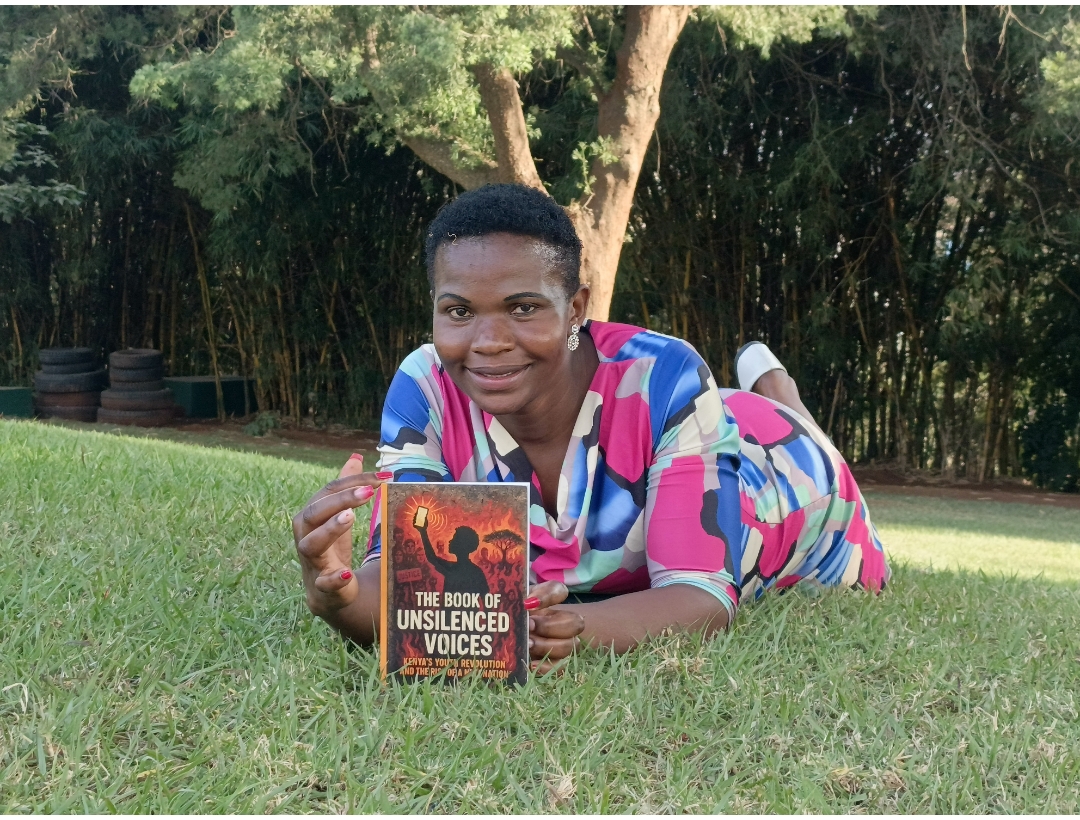
In the quiet corners of our world, where truth is often buried beneath bureaucracy and fear, The Book of Unsilenced Voices emerges like a tremor — subtle, yet seismic. It is not merely a book. It is a reckoning. A collection of testimonies, poems, and reflections from those who refused to be erased. Their words do not shout; they resonate. They do not demand attention; they command it.

As MushilaWrites marks two months since its digital birth — a platform rooted in climate advocacy, poetic resistance, and youth empowerment — this moment feels ripe for expansion. Featuring books like Unsilenced Voices is not a departure from advocacy; it is a deepening of it. Because every climate crisis is also a crisis of voice. Every policy failure is a failure to listen. And every silenced story is a missed opportunity for change.

The voices in this book are not fictional. They are lived. They belong to youth who blog from refugee camps, to women who write from war zones, to digital warriors who encrypt their truths behind firewalls and hashtags. Their stories echo the same urgency found in our own advocacy pieces on climate justice and community resilience. They remind us that silence is not neutral — it is complicit.

One testimony speaks of a girl who wrote poems on the back of ration cards, smuggling verses past checkpoints. Another recounts a boy who livestreamed his protest until the signal was cut — but not before his words reached thousands. These are not just stories. They are strategies. They are blueprints for resistance in an age where truth is both weapon and wound.

To those who have read The Book of Unsilenced Voices, we invite you to share your reflections. To those who haven’t, we urge you to seek it out — whether through your local library, independent bookstores, or global platforms like Goodreads and WorldCat. Let its pages challenge you. Let its stories stir you. Let its voices guide you.

© 2025 MushilaWrites | Designed by Victor Isaacs Mushila

The Third World War May Not Be Fought with Bombs—But with Droughts, Floods, and Fire

In the shadow of history’s bloodiest conflicts, a quieter war is brewing—one that threatens every border, every faith, and every future. From the trenches of World War I to the ashes of World War II, humanity has battled over territory, ideology, and power. But the next great war may erupt not from politics, but from planetary collapse.

From Trenches to Tipping Points: A Historical Prelude

  • World War I (1914–1918) was ignited by nationalism, imperial ambitions, and the assassination of Archduke Franz Ferdinand. The scramble for colonies and resources intensified tensions among European powers.
  • World War II (1939–1945) followed unresolved grievances, economic despair, and the rise of fascism. Hitler’s expansionism and the failure of appeasement plunged the world into chaos.

Today, the battleground is shifting. The enemy is no longer a nation—it’s climate disruption. The weapons? Deforestation, fossil fuels, and political apathy.

Climate: The New Catalyst of Conflict

In a recent global summit, President Donald Trump remarked on the evolution of climate discourse: “First it was global cooling, then warming, now it’s climate change. What’s next?” His words, though controversial, reflect a growing confusion—and urgency—around environmental instability.

But this isn’t just semantics. Climate change is already:

  • Displacing millions through floods and droughts
  • Fueling resource wars over water, land, and food
  • Triggering migration crises and geopolitical instability (UNHCR report)

UNEP warns that without radical action, climate-induced disasters could spark violent conflicts, especially in vulnerable regions like the Sahel, Amazon, and coastal Asia.

A Moral Call from the Vatican

At the Raising Hope for Climate Justice conference, Pope Leo XIV stood before a melting glacier and declared:

“God will ask us if we have cultivated and cared for the world that He created… What will be our answer?”

He echoed the legacy of Pope Francis, whose encyclical Laudato Si’ called for “integral ecology”—a fusion of environmental stewardship and social justice.

“The earth, our home, is beginning to look more and more like an immense pile of filth.” —Pope Francis

This is not just theology. It’s a moral imperative.

MushilaWrites: Voices of Resistance and Renewal

Victor Isaacs Mushila’s trilogy—Whispers of Nature, The Earth Defenders, and When Rivers Rebel—offers poetic prophecy and grassroots wisdom. These works, featured on MushilaWrites.com, are more than literature—they’re climate testimony.

They connect African resilience with global urgency, bridging UNEP’s policy frameworks with Vatican reflections and youth-led advocacy.

The Third World War: A Climate Reckoning

If the first two world wars were fought over borders, the third may be fought over biospheres. Expect:

  • Water wars in drought-stricken regions
  • Climate refugees challenging national policies
  • Eco-terrorism and sabotage of extractive industries
  • Digital activism and poetic resistance

This war won’t be televised—it will be lived. And it’s already begun.

🕊️ Final Word: From Crisis to Covenant

We are one family, with one Father, inhabiting one planet. As Pope Leo XIV said, “We must care for it together.” Let MushilaWrites be your compass in this unfolding storm—a platform where poetry meets policy, and where advocacy becomes action.

Visit MushilaWrites.com and share this post. Let’s make it reach 1000+ hearts on Awstart—and beyond.

Support Climate Advocacy
— Victor Isaacs Mushila
www.mushilawrites.com

Empowering Youth & Protecting the Environment in Kakamega County

Empowering Youth & Protecting the Environment in Kakamega County | Mushila Writes

Transforming Waste into Opportunity: Eco-Youth Initiative in Kakamega County

Empowering youth, women, and communities through sustainable environmental projects.

Why Kakamega County Needs Change

Kakamega County faces persistent youth unemployment, environmental degradation, and limited access to vocational skills. Many young men turn to illicit brews like chang’a for income, while women and marginalized groups shoulder the burden of unstable households. The Eco-Youth Initiative, based in Masingo, Kakamega County, offers an ethical, sustainable solution that merges job creation with environmental restoration.

Introducing the Eco-Youth Initiative

This groundbreaking project transforms human waste into biogas, organic fertilizers, and compost, providing youth and women with marketable skills, sustainable income, and ethical alternatives to unsafe and illicit livelihoods. Beyond economics, the initiative promotes community awareness, hygiene, and environmental stewardship.

Key Benefits:

  • Employment for over 200 youth and 500 indirect jobs.
  • Clean energy through biogas for local households.
  • Production of organic fertilizers, improving soil fertility and local agriculture.
  • Reduction in water pollution and CO₂ emissions (~150 tons/year).
  • Empowerment of women, girls, and persons with disabilities.

Connect With Mushila Writes Environmental Works

To understand the depth of environmental advocacy in Kakamega and beyond, explore these works by Mushila Writes:

Global Funding Opportunities & Partnerships

The Eco-Youth Initiative is aligned with global priorities and welcomes collaboration with NGOs, donors, and corporate partners committed to youth empowerment, women’s empowerment, and environmental sustainability. Key partners and funding sources include:

Get Involved – Apply, Invest, or Donate

You can be part of this transformative journey:

Final Thought

The Eco-Youth Initiative is more than a project—it’s a movement. By transforming waste into energy and organic wealth, we uplift communities, empower youth, and restore the environment. Your involvement—through funding, partnership, or advocacy—will catalyze change that resonates from Kakamega County to global sustainability networks.

Start making a difference today: Join the Eco-Youth Initiative and support a greener, ethical, and prosperous Kakamega County.

Poetry, History, Social Justice, and Environmental Wisdom Books

Top African Books for Environmental & Social Justice Readers – MushilaWrites

Top African Books for Environmental & Social Justice Readers

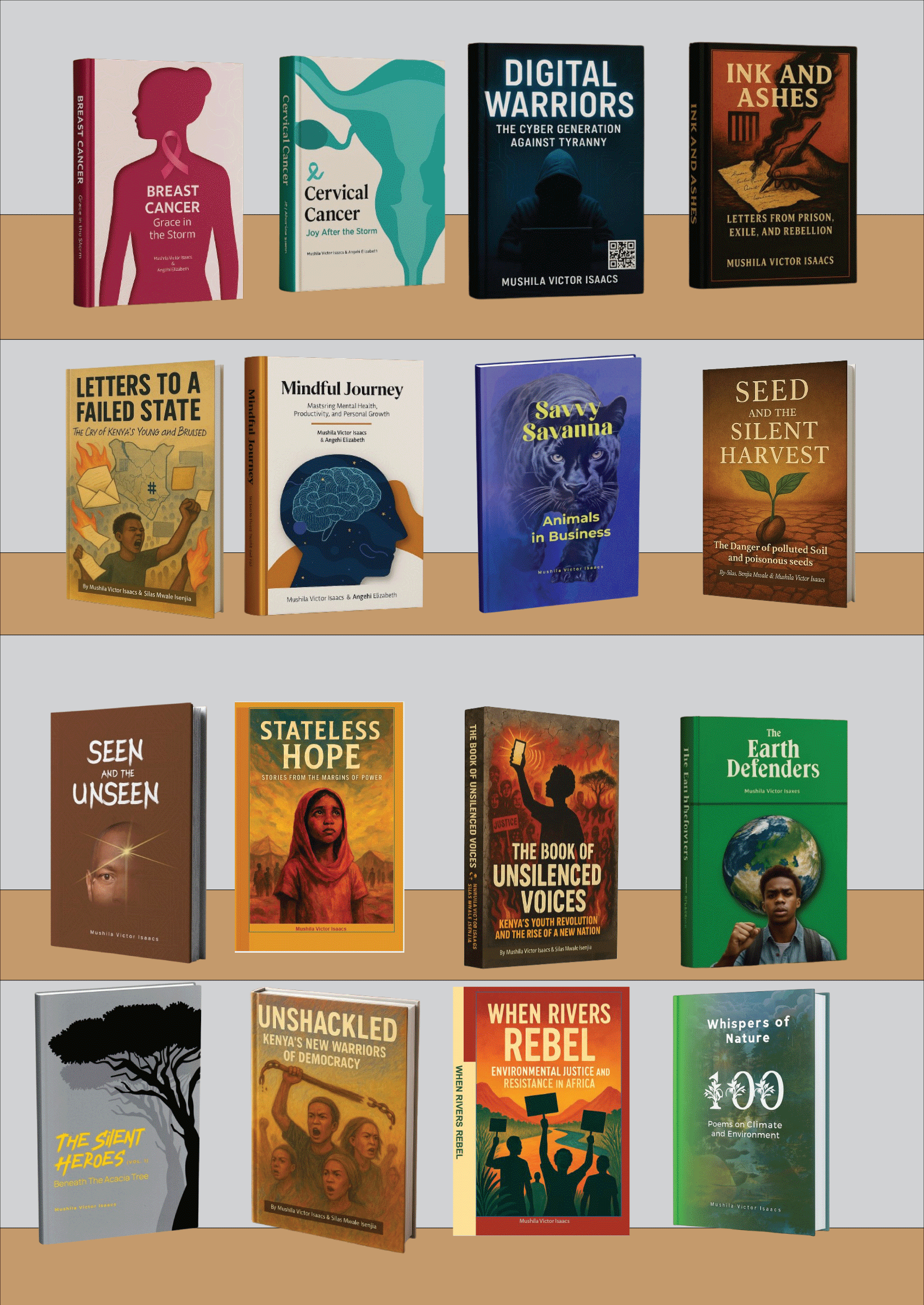
16 Inspiring Works by Mushila Victor Isaacs – Poetry, History, Social Justice, and Environmental Wisdom

If you’re looking for powerful African literature that blends environmental awareness, history, business insights, and social justice, these 16 top books by Mushila Victor Isaacs are a must-read. Perfect for students, NGOs, youth, and global readers seeking inspiration and action.

1. Whispers of Nature

A poetic journey celebrating nature’s beauty and urging readers to protect our planet. Perfect for schools, activists, and poetry lovers.

Read More Buy on Amazon

2. Seen and the Unseen

A suspense-filled novel exploring life’s mysteries, cultural struggles, and the tension between appearances and reality. Ideal for fiction lovers and students of African spirituality.

Read More Buy on Amazon

3. Savvy Savanna: Animals in Business

A business guide inspired by African wildlife teaching resilience, leadership, and adaptability. Great for entrepreneurs and students of business.

Read More Buy on Amazon

4. The Silent Heroes: Beneath the Acacia Tree

Historical novel spotlighting Kenya’s unsung heroes during the Mau Mau rebellion. Engaging for literature students and history enthusiasts.

Read More Buy on Amazon

5. The Earth Defenders

A rallying call to protect the planet from climate threats, injustice, and exploitation. Ideal for NGOs, schools, and environmental activists.

Read More Buy on Amazon

6. When Rivers Rebel

Stories of African communities rising against environmental degradation and injustice. Perfect for scholars and activists.

Read More Buy on Amazon

7. Stateless Hope

Explores displacement and exile, giving voice to marginalized communities left behind by politics and bureaucracy.

Read More Buy on Amazon

8. Ink and Ashes

Letters from prison and exile exploring resilience, rebellion, and hope during challenging times.

Read More Buy on Amazon

9. Digital Warriors

Examines digital activism and the role of technology in the fight for freedom. Ideal for youth and tech enthusiasts.

Read More Buy on Amazon

10. Breast Cancer: Grace in the Storm

An empowering guide to navigating breast cancer with courage and faith. Perfect for patients, healthcare workers, and women’s organizations.

Read More Buy on Amazon

11. Cervical Cancer: Joy After the Storm

Messages of hope and empowerment for cervical cancer survivors and their families. Ideal for women’s health NGOs.

Read More Buy on Amazon

12. Mindful Journey

Practical reflections and strategies for mental health, productivity, and personal growth. Suitable for youth, professionals, and counselors.

Read More Buy on Amazon

13. Letters to a Failed State

Collection of letters from Kenya’s youth expressing frustration, resilience, and hope. Engaging for political students and activists.

Read More Buy on Amazon

14. The Book of Unsilenced Voices

Chronicles the courage and determination of Kenya’s youth in their push for justice and democracy. Perfect for NGOs and youth movements.

Read More Buy on Amazon

15. Seeds of the Silent Harvest

An urgent call to address environmental and agricultural threats in Africa. Ideal for farmers, NGOs, policymakers, and schools.

Read More Buy on Amazon

16. Unshackled

Stories of Kenya’s new generation of freedom fighters challenging corruption and injustice. Perfect for youth, university students, and civic groups.

Read More Buy on Amazon
Buy All Books on Amazon

© 2025 MushilaWrites. All rights reserved.